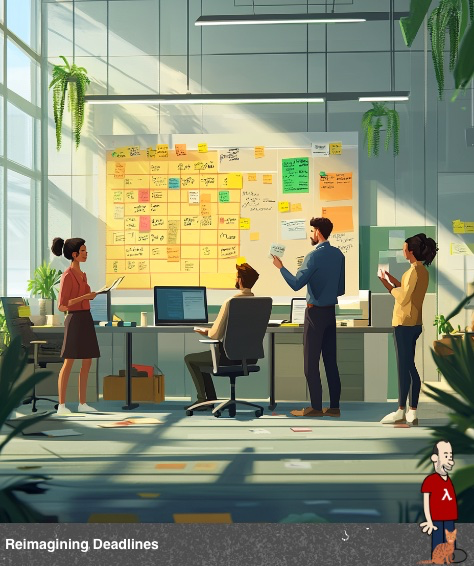
Many software teams struggle under rigid deadlines and overstuffed time boxes. As Mike Burrows and Luke Hohmann point out in Kanban from the Inside, we often transform estimates into unwavering commitments. This leads to overburdened schedules, mounting stress, and inevitable disruptions that derail even the most carefully planned timelines. The real problem here is not that deadlines exist but that we bind ourselves so tightly to them that there’s little room for flexibility or learning. In a fast-paced environment where change is the norm, forcing everything into a rigid schedule can quickly become a recipe for burnout and missed opportunities.
One key lesson from this perspective is shifting from a deadlines-driven mindset to a flow-based approach. Rather than measuring success by how many tasks fit into a sprint or how closely teams stick to initial estimates, we can gauge effectiveness by how smoothly work moves through the system. This approach alleviates the pressure of fixed deadlines and makes room for innovation. When estimates are treated as guidance rather than immovable commitments, teams can adapt more readily to unexpected challenges and evolving requirements.
To put this insight into action, a Tech Manager can start by implementing Kanban principles that highlight work-in-progress (WIP) limits and continuous improvement. You can encourage your team to visualize tasks on a board, track workflow, and regularly assess where bottlenecks arise. Instead of forcing tasks to meet arbitrary deadlines, prioritize them based on value and urgency. Hold regular stand-ups or retrospectives to refine the process, adjusting WIP limits to maintain a steady flow. This proactive approach fosters collaboration and transparency, helping everyone stay aligned on goals without being crushed by unrealistic time constraints.
Ultimately, embracing a flow-based model doesn’t mean abandoning deadlines but reframing them as flexible markers rather than rigid targets. By giving your team the autonomy to manage their work more dynamically, you reduce the panic that often accompanies last-minute changes or unforeseen interruptions. Over time, you’ll see improved morale, better product quality, and a more resilient organization equipped to handle whatever comes next.