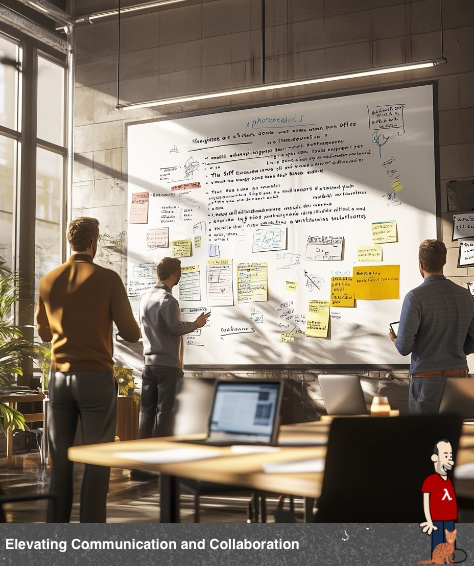
One of the most common challenges in software development is the tendency to say “no” without offering alternatives. Sandro Mancuso highlights in The Software Craftsman that simply refusing a request or change can stall progress and damage relationships. The real problem lies in shutting down conversation, limiting the flow of new ideas, and ultimately hindering the team’s ability to adapt. When teams operate in a culture where “no” is a complete stop, creativity suffers, and projects risk stagnating. Instead, the craftsman’s mindset encourages us to say, “No, but here’s a better way,” which fosters collaboration and keeps innovation open.
A key lesson from Mancuso’s perspective is that effective communication is integral to craftsmanship. It’s not about unthinkingly accommodating every demand but offering thoughtful, constructive solutions. This approach promotes a sense of ownership and shared responsibility among team members. When people feel heard and see that their concerns or limitations are acknowledged, they’re more likely to contribute meaningfully. This is especially crucial for a Staff Engineer, whose role often involves bridging technical challenges with broader organizational goals. By championing open dialogue, you not only maintain team morale but also encourage the kind of problem-solving mindset that drives continuous improvement.
To take action, start by implementing structured communication rituals in your team’s workflow. Encourage developers to voice potential issues early, and train them to propose alternatives rather than simply rejecting ideas. For instance, if a feature can’t be completed by the deadline, suggest scaling back the scope or focusing on the most critical functionalities first. As a Staff Engineer, you can lead by example: show your willingness to explore different options, weigh their pros and cons, and remain flexible in approaching deadlines and deliverables. This proactive communication style reduces friction and ensures that everyone works toward the same objective with realistic expectations.
Adopting a craftsman’s attitude is about more than just delivering high-quality code—it’s about fostering an environment where every challenge is met with a solution-oriented mindset. By encouraging your teams to replace a flat “no” with “no, but let’s consider this alternative,” you lay the groundwork for a culture of collaboration and innovation. This shift doesn’t just solve immediate roadblocks; it creates a long-term strategy for technical and strategic growth within your organization.