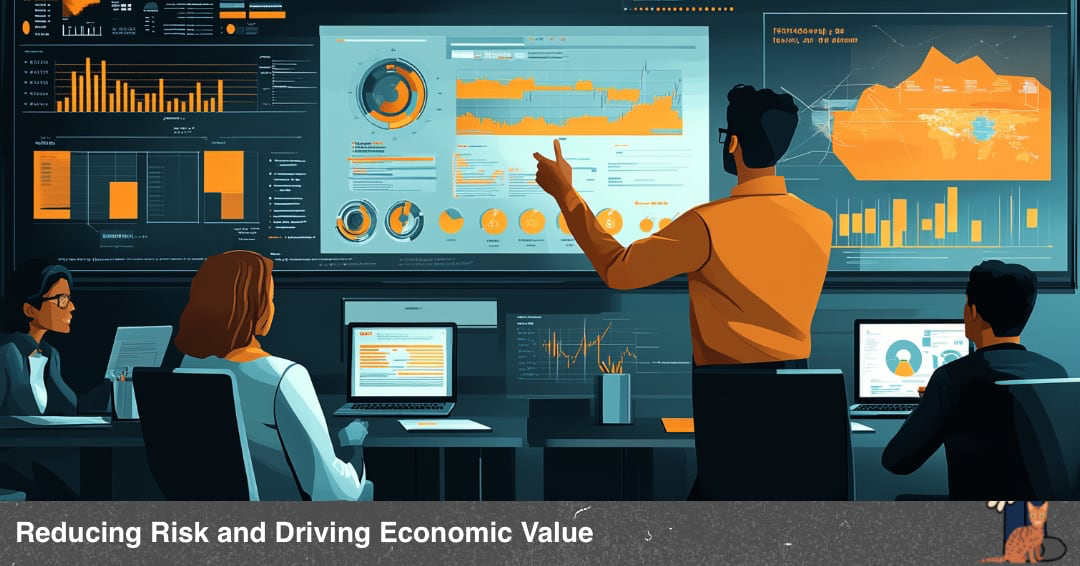

Risk is the invisible force in product development that can derail timelines, bloat budgets, and compromise quality. Donald G. Reinertsen, in The Principles of Product Development Flow, highlights a crucial truth: reducing risk is central to creating economic value in product development. For Tech Managers, this principle isn’t just theoretical—it’s a call to action. Effectively managing risk requires quantifying its impact and embedding practices that transform risk into an opportunity for learning and innovation.
As Reinertsen outlines, testing’s mission is pivotal in this context. Testing isn’t merely a box-ticking exercise; it’s a proactive approach to identifying and addressing uncertainties before they spiral into more significant problems. Tech Managers can leverage this concept by fostering a culture of experimentation and continuous feedback. By encouraging teams to embrace testing as an integral part of the development cycle, managers ensure that risk is mitigated and systematically reduced, delivering better outcomes for the organization.
To implement this, Tech Managers can introduce metrics that measure the economic impact of risk reduction efforts. Lead time, defect rates, and customer satisfaction scores can indicate how effectively risk is managed. More importantly, they can be used to align teams around shared goals. When teams understand the direct connection between reducing risk and delivering value, they are more likely to buy into practices like early testing, iterative feedback loops, and continuous improvement.
Risk management also requires collaboration beyond the development team. Tech Managers can bridge gaps between product, engineering, and business units to ensure that risk-related insights inform organizational decision-making. Reducing risk requires a unified effort, defining clear priorities, setting realistic expectations, or leveraging data to make informed trade-offs. By championing this approach, Tech Managers enhance their teams’ ability to deliver predictable, high-quality results consistently.
Ultimately, the Tech Manager’s role in reducing risk is about leadership. It’s about empowering teams to identify and confront challenges early while embedding a mindset of resilience and adaptability. The reward? Not just better products but a stronger, more agile organization capable of thriving in an ever-changing market. By applying the principles of risk management outlined by Reinertsen, Tech Managers reduce uncertainty and unlock the full potential of their teams and organizations.